
Key Takeaways
- Dietitians are university-qualified experts in nutrition and medical diet therapy.
- Lactation Consultants (IBCLC) specialize in the clinical management of breastfeeding.
- Nicole Bando is dual-qualified, offering holistic care for feeding and nutrition issues.
- Seek help for growth concerns, allergies, fussy eating, or painful breastfeeding.
If you feel a bit unsure if your family needs support from a Paediatric Dietitian or a Lactation Consultant, or both, you are not alone. I’d like to explain the differences and how I can support your family, since I have the privilege of integrating both professions, which fit together like peas in a pod.
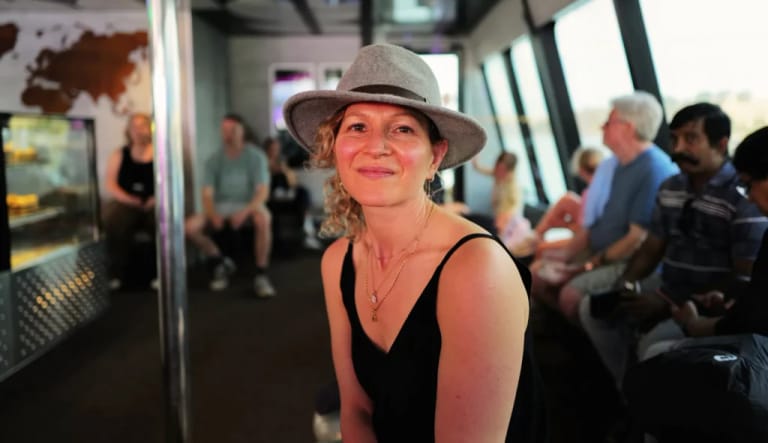
As a Melbourne-based Paediatric Dietitian, I am a university-trained health professional, qualified to give you and your child specialist nutrition and feeding advice. I have been recognised as having advanced skills and therefore accredited by Dietitians Australia as an Advanced Accredited Practising Dietitian (AdvAPD). I completed additional postgraduate paediatric training, called the Certificate of Paediatric Nutrition and Dietetics at The Royal Children’s Hospital.
If you have ever wondered, dietitians aren’t the same as nutritionists. Not all nutritionists are university trained. However, some dietitians are called ‘nutritionists’, depending on their area of work.
As a Melbourne-based International Board Certified Lactation Consultant (IBCLC), I completed rigorous training (90 hours of lactation-specific learning hours, 1000 hours of clinical training and an international exam, and recertification every 5 years) to be recognised as the highest accredited health professional able to support women with breastfeeding their babies.
I work with you to support a range of infant, early childhood and family feeding nutrition challenges. Based on your needs, an assessment can include the following: understanding your concerns, baby and mother’ relevant medical and social history, a feeding observation and assessment (breast, bottle, expressing equipment), assessment of baby (oral exam, growth, output) and mother (breast health, history), dietary assessment (mother, baby, child), identification of key areas to address and a management plan (individualised to each family or child’s needs). This may involve communicating with other members of your healthcare team.
Nutrition and healthy eating in early childhood lay health foundations for a lifetime. I can help your family develop these important habits to promote healthy growth. My 2 children are growing up, now 13 and 15 years old, so I have personal experience of the joys and challenges of feeding and raising a family. My advice aims to meet you and your family where you are at and is warm and practical. You will be in safe hands.
So, do you need a Dietitian or Lactation Consultant, or both? Please see the guide below for common (not an exhaustive list) reasons you may seek support:
| Lactation Consultant | Paediatric Dietitian | Both | |
| My baby isn’t growing | x | x | x |
| I am having breastfeeding difficulties (sore nipples, low- or over-supply, mastitis, breast or nipple pain, etc). | x | ||
| My baby has a food intolerance or allergy and is breastfeeding | x | x | x |
| My child is a fussy eater | x | ||
| My baby has nutrient deficiencies (e.g. iron) | x | x | x |
| My older child has nutrient deficiencies | x | ||
| My child is formula or mixed fed, and I feel concerned about his/her intake | x | x | x |
| My baby is starting solids | x | x | x |
| I am worried about my older child’s growth (over- or underweight) | x | ||
| My older child has allergies or food intolerances | x | ||
| I am vegan or vegetarian and breastfeeding | x | x | |
| I would like to learn about nutrition whilst breastfeeding | x | x | |
| I would like to wean my baby from the breast | x | ||
| I feel anxious about introducing common allergen foods | x | x |